Extended Producer Responsibility (EPR): A Guide for Consumer Packaged Goods Businesses
This hub breaks down what EPR means, which states have it, and what it takes to stay compliant, state by state.
What Is Extended Producer Responsibility?
Extended Producer Responsibility (EPR) is a policy model that shifts the cost and often the operational responsibility of packaging, paper, and food serviceware from cities and taxpayers onto the businesses that produce and sell those materials. In practice, that means brand owners, importers, and distributors are increasingly required to register with a state-approved organization, report the materials they put on the market, and pay fees.
The idea isn’t new. EPR programs have existed in Canada and the EU for years, but the U.S. is now moving quickly to adopt its own state-level versions.
If your business makes, sells, imports, or brands packaged products, paper, or food serviceware in Oregon, you may be a “covered producer” — even if you don’t manufacture the packaging yourself.
Why EPR exists:
Local recycling programs have historically been funded by cities and ratepayers, with little cost tied back to the packaging itself.
EPR creates a dedicated, producer-funded revenue stream for sorting, processing, and collection infrastructure.
Most programs use “eco-modulated” fees, lower costs for packaging that’s easier to recycle or contains recycled content, and higher costs for packaging that isn’t.
Who does EPR apply to?
Generally, any business that brands, manufactures, imports, or distributes packaged goods, paper products, or food service ware into a state with an EPR law, though each state sets its own thresholds and small-business exemptions. (See your state’s page for specifics.)
EPR Laws by State
EPR requirements thresholds, deadlines, fees, and penalties vary significantly by state. Select your state below for a full breakdown and a free fee calculator.
Filter by status:
Oregon
Live
California
Live
Washington
Live
Florida
Proposed
Illinois
Enforcement Paused
Michigan
Not Yet Built Out
New Jersey
Not Yet Built Out
How State EPR Programs Compare
While every state’s law is different, most share a common structure:
- A Producer Responsibility Organization (PRO) — usually Circular Action Alliance (CAA) — that manages registration, reporting, and fee collection on the state’s behalf
- Reporting requirements — producers disclose the type and volume of covered materials they supply into the state
- Eco-modulated fees — costs that scale with a package’s environmental impact, not just its weight
- Small-business exemptions — most states exempt companies below a revenue or volume threshold
- Penalties for non-compliance — typically structured as daily fines that scale with severity
Latest on Oregon EPR

Who Does the Oregon EPR Injunction Actually Affect? (It’s Not Who You Think)

What Is “Mega May”? The 6-State EPR Reporting Deadline Every Brand Needs to Know.
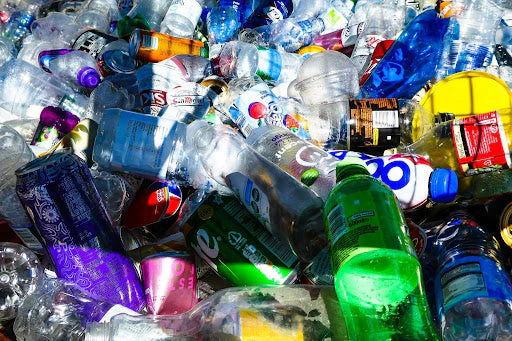
Paper vs. Plastic: Why EPR Fees Are Up to 10x Higher for Plastic Packaging
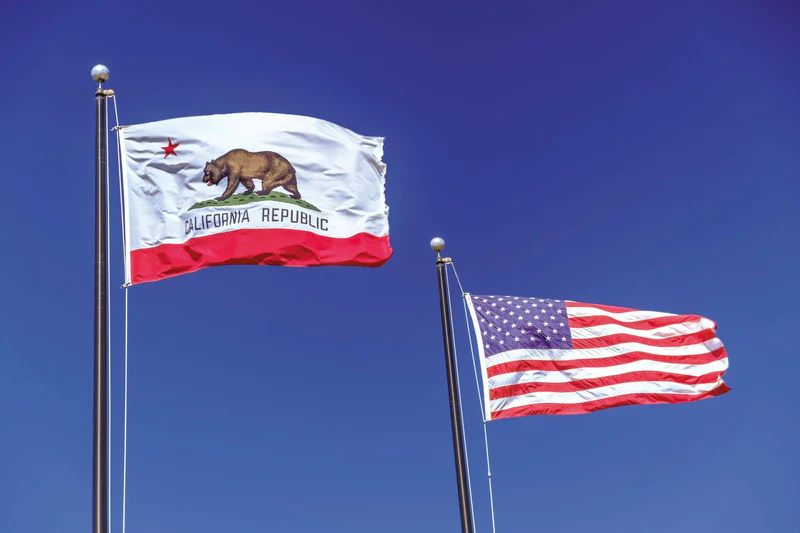
California SB 54 Is Now Law: What Brands Must Do Before June 1, 2026
Estimate Your Oregon EPR Fees
Because most state EPR programs use eco-modulated fees, the packaging you choose has a direct effect on what you pay — not just how much material you use, but what it’s made of and how recyclable it is. Paper-based packaging, like the tubes and mailers Papertube produces, is widely accepted in curbside recycling and generally qualifies for lower fee tiers than mixed-material or hard-to-recycle plastic packaging under most state programs.
If you’re evaluating your packaging as part of your EPR strategy, our team can help you understand how a switch might affect your fee obligations alongside the design and cost tradeoffs.
Top 5 Questions
What does EPR stand for?
EPR stands for Extended Producer Responsibility — a policy that makes producers financially responsible for the recycling and disposal of the packaging and products they sell.
Which U.S. states have EPR laws for packaging?
As of mid-2026, Oregon, California, Colorado, Maine, Maryland, Minnesota, and Washington have enacted comprehensive packaging EPR laws, with several more states considering similar legislation.
Is EPR the same in every state?
No. Each state sets its own covered materials, exemptions, fee structures, and deadlines, though most rely on a Producer Responsibility Organization (commonly Circular Action Alliance) to manage compliance.
How can I lower my EPR fees?
Since most programs use eco-modulated fees, switching to packaging that’s lighter, more recyclable, or made with recycled content can reduce what you owe. Material choice matters as much as volume.
Do I have to comply with EPR laws in every state I sell into?
Potentially, yes — EPR obligations are generally based on where your packaging is sold or distributed, not where your business is headquartered. Check each relevant state’s thresholds and exemptions.
Have Questions About EPR Compliance?
Whether you’re just learning about EPR or actively managing multi-state compliance, our team can help you understand what applies to your business — and where packaging choices can help.
This page is provided for general informational purposes and reflects publicly available information as of July 2026. It is not legal advice. EPR regulations are actively evolving, including an ongoing federal court challenge to Oregon’s program — consult Oregon DEQ, Circular Action Alliance, or your legal counsel for guidance specific to your business.